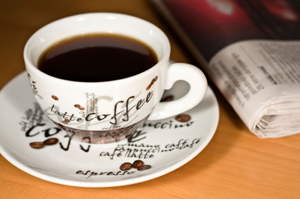
- A serving of espresso uses 42 coffee beans
- Coffee grounds can keep insects away
- Coffee can be a good deodorizer for freezers or other musty spaces
- A regular serving of coffee brewed with a drip coffee maker actually has more caffeine than a serving of espresso
- More than 300 million cups of coffee are consumed by Americans each day
- 75% of the cups of coffee consumed each day by Americans are brewed in the home
- Coffee is a great source of healthful antioxidants….more than green tea
When people grab a mug of coffee in the morning for just the right jolt to get them going, they don’t consider the many facets of coffee and the world that produced one of the most popular drinks.
Some point to that very energy boost caused by caffeine to claim that coffee should be cut out of the diet as a bad nutritional choice.
Not so, says some experts.
“Coffee and caffeine should already be recognized for their positive health benefits and potential functional food attributes,” Toxicologist and Food Safety Consultant James Coughlin stated in a press release at www.coffeescience.org. “You can forget about coffee being bad for you. It’s actually good for you.”
Studies have shown that moderate consumption might be linked with risk reduction for some diseases, he stated.
But there’s more to coffee to coffee than a warm, aromatic drink that may just be good for the body.
For instance, it’s a money-maker that supports communities around the world.
Millions of people support their families through some sort of coffee venture, but some of the smaller coffee farmers only earn about four cents for every pound of coffee they handpick, according to www.coffeekids.org.
It’s a commodity that is sold and consumed by wealthy and poor. It was once expensive by today’s standard since someone could have purchased up to four acres of land for the same amount of money as a pound of specialty coffee in 1683 New York. Now, it costs 24 cents a cup, less than a soft drink, bottled water or energy drink, according to the Specialty Coffee Association.
Not everyone looks to coffee solely to drink either. Some use coffee for things like helping with compost.

A group from Oregon State University has taken about 200 tons of coffee grounds that they collected from coffee shops and other sites, 25 large dump trucks worth, to use for composting, according to a press release from the university.
According to OSU representative Cindy Wise, coffee grounds help transform organic matter into compost instead of using manure. “Recycling this valuable soil amendment and compost ingredient makes sense both economically and environmentally,” Wise stated in a press release.
She thinks people who enjoy gardening should turn toward their local coffee shops for grounds because coffee grounds help with a process that gives plants nutrients.
Others online stated the used grounds make great abrasive cleaners that get the tough grime off pans so the grounds can go straight from making a drink to cleaning out the mug.
It also might prove a valuable commodity when it comes to getting the car in the driveway up and running someday. A University of Nevada, Reno researcher discovered a process that he can use to get a biodiesel fuel from used coffee grounds and may someday be an alternative fuel source.
“We have found that biodiesel created from spent coffee grounds is stable over a longer period of time than other forms of biodiesel that have been created from feed stocks such as soy and corn,”Researcher Manoranjan Misra stated in a press release from the university. “Biodiesel from spent coffee grounds is a low-cost ‘green’ form of fuel that shows a significant reduction of carbon dioxide emission.”